
Property Viewings·6 min read
What to Look for When Viewing a Property
How to look beyond the listing photos and what to observe room by room when viewing a home in British Columbia.

A practical guide to understanding the real estate buying process in British Columbia.
Clear, objective guidance on what happens before, during, and after a real estate purchase in British Columbia — no pressure, no jargon.
Start Where You Are
Choose the stage that fits today. Each opens the most relevant guidance for your situation.
Just starting
Start with the full buying journey
Understanding my budget
Funds, pre-approval & costs
Getting ready to search
Define what you're looking for
Viewing properties
Look beyond the photos
Thinking about an offer
Understanding offer terms
I have an accepted offer
Conditions & due diligence
Preparing for completion
Completion & possession
Not sure where to start?
A short conversation can point the way.
Eight Stages
Tap any stage to explore what happens and how each step connects to the next.
Gather your questions, understand the documents you may encounter, and consider your timing before you begin searching.
Learn about available funds, mortgage pre-approval, deposit requirements, and potential closing costs — without sharing sensitive financial details.
Consider locations, property type, space, features, and lifestyle so your search is focused and intentional.
Understand how the search process works and how to look beyond the listing photos when viewing a property.
Learn about disclosures, strata documents where applicable, and the factors that can influence a property's market context.
Understand what an offer contains and why price is only one of many terms that shape what an offer really means.
Learn about subject clauses, the condition period, and the due diligence that happens before conditions are removed.
Understand completion, possession, and adjustment dates and what happens as the purchase legally completes.

Vancouver Real Estate

Chapter 01
What should happen before you begin searching?
From understanding the documents you may encounter to learning the terminology and identifying the professionals you may need, thoughtful preparation sets a calm tone for the entire purchase.

Chapter 02
List price, assessed value, market value, and offer price.
A list price is a marketing decision. An assessed value is for property tax. Learn how comparable sales, property characteristics, and local competition shape a realistic understanding of value — without an automated valuation.
Interactive Planning
Practical resources to help you understand and prepare for the buying process — no sign-ups, no financial promises.
An interactive financial, property-goal, search, and professional-support tracker. Progress saves locally in your browser — no account or sensitive information required.
A non-predictive planning tool that maps general milestones based on your preferred timing. It does not predict how quickly you will find a property.
Explore a sample offer component-by-component and compare two hypothetical offers to see why price is only one consideration.
An educational guide to common transaction cost categories — property transfer tax, legal, inspection, financing, moving, and more. No calculators or estimates.
Thinking about buying?
Online resources can help you understand the process. When you're ready to discuss your plans or questions, connect with Roland.
Chapter 05
An offer is more than a price.
Price is only one term. Deposit, conditions, dates, and inclusions each shape what an offer really means.


Vancouver Real Estate
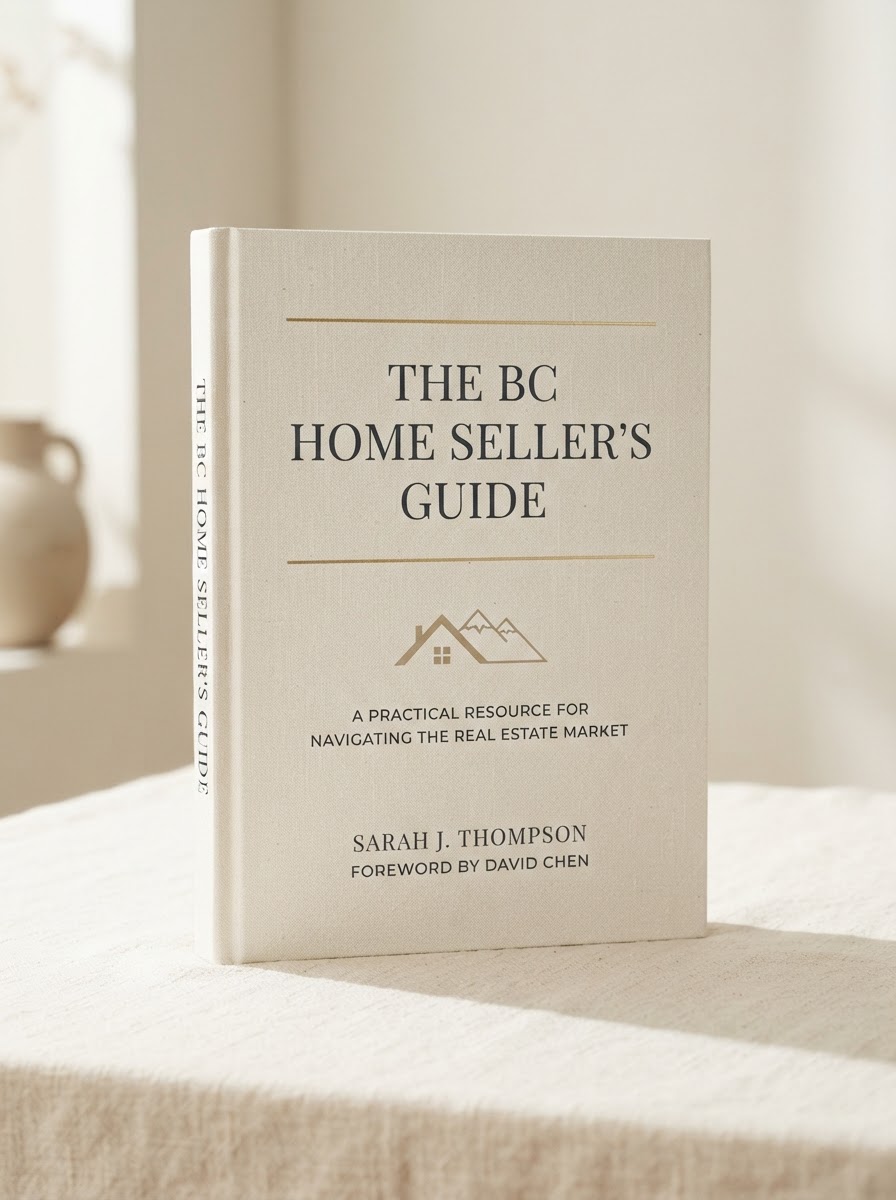
Free Buyer Resource
A practical publication for understanding the home buying process in British Columbia.
Strata in British Columbia
Strata properties are common in BC. Learn what documents and considerations you may encounter.
Strata properties are common in British Columbia. As a buyer, you may encounter documents and information relating to the strata corporation. This is a high-level overview — it is not individualized legal advice.
Strata fees
Regular contributions paid by strata lot owners toward the maintenance and operation of common property. The amount is tied to the unit's entitlement and the strata's budget.
Bylaws
The rules that govern the strata corporation and the use of strata lots. Bylaws can address matters such as age, rentals, and alterations.
Rules
Additional rules set by the strata corporation that govern the use of common property and common assets.
Minutes
Records of strata council and general meetings. Reviewing recent minutes can help you understand what the strata has discussed and decided.
Financial statements
The strata's financial position, including the contingency reserve fund and operating fund. These can help you understand how the strata is funded.
Depreciation reports
Where applicable, a report assessing the condition of common property and estimating future repair and replacement costs.
Insurance information
Strata corporations carry building insurance. You may also need separate coverage for your unit, contents, and liability. Confirm what is and isn't covered.
Form B & other documentation
A Form B (strata certificate) provides key information about a strata lot, including entitlement, fees, and amounts owing. Other documents may also be relevant.
Special levies
A one-time charge to fund a specific repair or project. Be aware of any current or proposed special levies that may apply before or after you purchase.
Parking / storage
Parking and storage may be assigned, owned, or licensed. Confirm what is included with the strata lot and how it is allocated.
Pet restrictions
Strata bylaws may restrict or regulate pets. If pets are important to you, review the relevant bylaws before you buy.
Rental considerations
Some stratas restrict the ability to rent a unit. If you may rent in the future, review the rental bylaws and any applicable limits.
Building maintenance
The condition and upkeep of common property can affect your experience and costs. Minutes and depreciation reports can offer context.
The specific documents and considerations vary by property. Confirm what applies with a real estate professional and, where appropriate, a lawyer.
Editorial Publication

A plain-language overview of how buying real estate works in British Columbia — from preparation and budget through to offers and possession.
How to look beyond the listing photos and what to observe room by room when viewing a home in British Columbia.
Form B, bylaws, minutes, financials, depreciation reports, and what they can tell a buyer considering a strata property.

Roland Kym
Licensed Real Estate Professional · Real Broker
Meet Roland Kym
Roland Kym works with Metro Vancouver buyers to provide clear, practical guidance tailored to their goals, timeline, and circumstances.
Whether you're just starting to explore the process, defining what you're looking for, or evaluating an offer, the goal is straightforward: help you understand your options and make informed decisions.
Your Vancouver Real Estate Resource
Have questions about the buying process, a property, or what your next steps could look like? Online resources help you understand the process — when your questions become specific, a licensed real estate professional can help you understand your options.
Roland Kym — Personal Real Estate Corporation
A short message is all it takes. No financial details needed.
Common Questions
Educational answers about BC real estate practices, timelines, and requirements.
BC Real Estate Governance
BC Financial Services Authority (BCFSA)
The provincial regulator responsible for real estate professionals, mortgage brokers, and other financial services in British Columbia.
BC Assessment
The provincial Crown corporation that produces independent, uniform property assessments used for taxation purposes.
Land Title and Survey Authority of British Columbia
The authority responsible for the province's land title and survey systems, where property ownership is registered.
Government of British Columbia
Provincial government information on property transfers, taxes, and related homeowner and buyer topics, including property transfer tax.